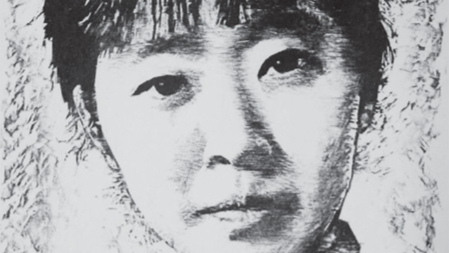
Xiao Hong
Introduction
Xiao Hong, born as Zhang Naiying in 1911 in Harbin, Heilongjiang province, was a distinguished Chinese writer who made a significant impact on the literary scene of the 1930s. Despite her brief life, passing away in Hong Kong in 1942 at the age of 31, Xiao Hong's works have left an enduring legacy. Her writing, characterized by poignant depictions of rural life and the struggles of the common people, remains highly respected in Chinese literature. Xiao Hong's pseudonym became synonymous with her evocative storytelling and profound insights into human nature, securing her a place among the literary greats of her time.
Early Life
Xiao Hong was born into a family of declining wealth in Harbin, a city that would later become central to her literary identity. Her early life was marked by turmoil and instability. Her grandfather's death and her father's subsequent remarriage led to familial discord, pushing Xiao Hong to pursue an education that was unconventional for women of her era. Xiao Hong's early experiences of strife and displacement deeply impacted her, shaping the themes of struggle and resilience that recur in her literature.
Literary Career
Xiao Hong's literary journey began in the early 1930s, a period of political upheaval and social change in China. Her first novel, The Field of Life and Death, published in 1935, catapulted her to fame. The book's vivid portrayal of the harsh realities of rural life and the plight of women in society resonated with readers and critics alike. Esteemed writer Lu Xun, who wrote the preface for her novel, recognized her unique voice and supported her career. Xiao Hong's work is often characterized by its emotional depth, capturing the nuances of human suffering and resilience.
Major Works
Xiao Hong's literary contributions include several notable works that have stood the test of time. Beyond The Field of Life and Death, her other significant work is Tales of Hulan River (also known as The Biography of Hulan River). These writings delve into the intricacies of rural Chinese life, often drawing from her own experiences and observations. Her ability to capture the essence of the human condition through the lens of rural hardship, gender inequality, and social change has made her works essential reading for those interested in early 20th-century Chinese literature.
Writing Style
Xiao Hong's writing is characterized by its lyrical prose and profound empathy for her characters. She often employed a narrative style that combined realism with emotional depth, providing a voice to the voiceless and highlighting the struggles of marginalized individuals. Her works are imbued with a sense of melancholy and beauty, reflecting the complexities of life in rural China. Xiao Hong's ability to convey deep emotional truths through simple yet powerful language has earned her a lasting place in literary history.
Personal Life
Xiao Hong's personal life was as turbulent as the times she lived in. Her relationships were often fraught with difficulty, reflecting the broader societal challenges of her era. Her first significant relationship was with the writer Xiao Jun, which was both a source of inspiration and turmoil. This partnership, though creatively fruitful, was marked by emotional conflict and eventually ended in separation. Xiao Hong later married Duanmu Hongliang, a fellow writer, and the two shared a complex relationship that was both supportive and strained by the pressures of their literary careers and the socio-political environment of the time.
Xiao Hong’s relationships played a pivotal role in her life and work, providing both companionship and material for her writing. Her partnership with Xiao Jun was particularly influential, offering her an entry into literary circles and a collaborator who understood her creative vision. However, the personal and professional tensions between them also mirrored the broader struggles faced by intellectuals in a rapidly changing China. Her subsequent relationship with Duanmu Hongliang introduced a different dynamic, one that balanced literary collaboration with the hardships of life during wartime. These relationships, while challenging, enriched Xiao Hong’s narrative voice and thematic focus.
Influence and Legacy
Xiao Hong's influence on Chinese literature is profound and enduring. Her works continue to be studied for their rich portrayal of rural life and the human spirit. Xiao Hong's ability to portray the struggles of ordinary people with empathy and insight has inspired generations of writers. Her legacy is celebrated not only through her literary contributions but also through cultural events such as the Xiao Hong Art Festival and Cultural Week in Harbin. These events honor her memory and ensure that her stories of resilience and humanity remain part of the cultural consciousness.
Adaptations of Her Works
Xiao Hong's stories have transcended the written word, inspiring adaptations in various forms of media. Her poignant narratives and vivid characters have been brought to life in film, theater, and television, introducing her work to new audiences. These adaptations highlight the timeless relevance of her themes and the universal appeal of her storytelling. By continuing to engage audiences across diverse platforms, adaptations of Xiao Hong’s works contribute to the ongoing appreciation and understanding of her invaluable contributions to Chinese literature and culture.








